Overview
part 1)
For this week's forum, review the remainder of the slides on research ethics and write a short reflection on the Humphries, Milgram or Zimbardo case. Again, think abut what those studies were intending and also about what went wrong SOC 300 Research Ethics fall 2017.pptx SOC 300 Research Ethics fall 2017 with voice.pptx This version has a voice over and some updated links Also, some more info/links
| 2 |

 Project MUSE - Laud Humphreys: Prophet of Homosexuality and Sociology (review)
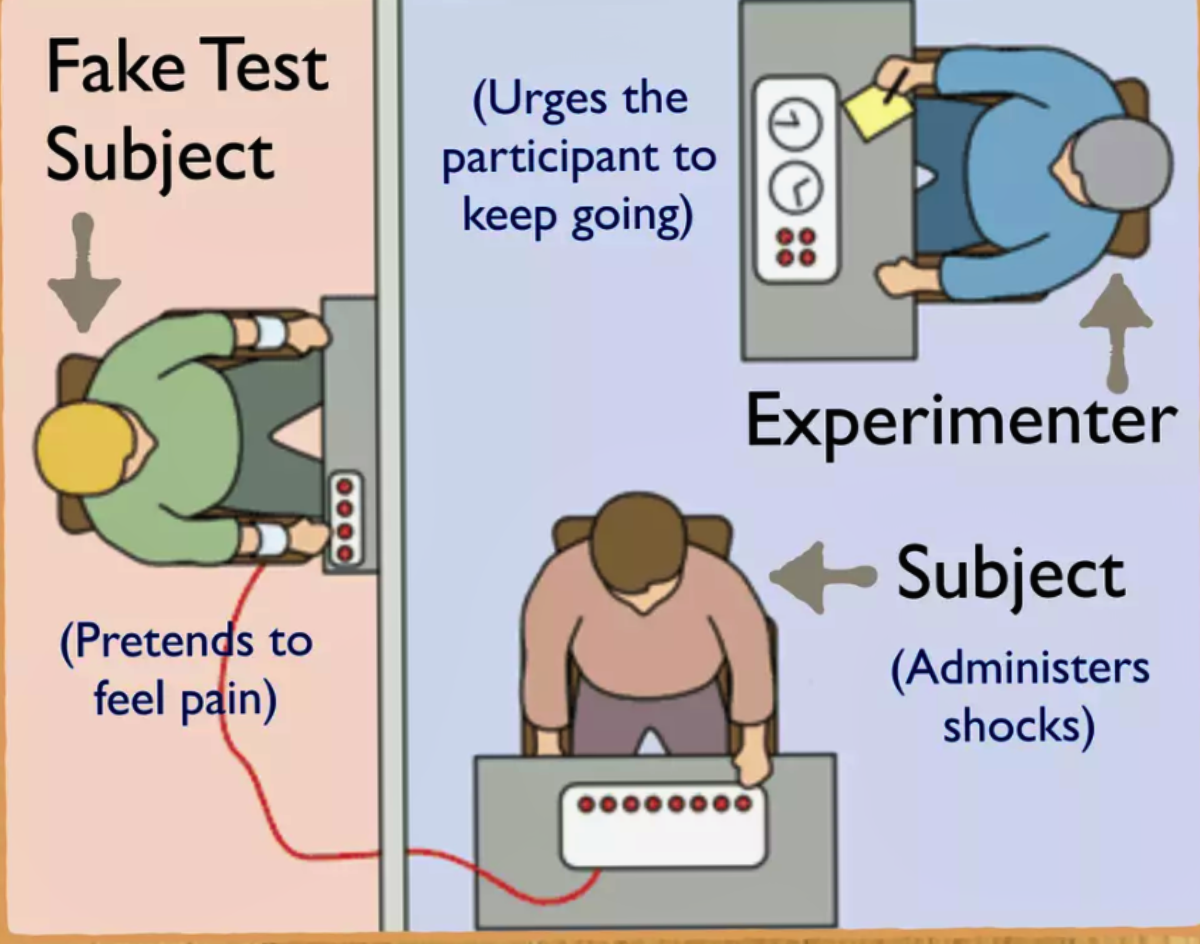

Part 2) Hello class. For this week, I would like you to view this video about Emile Durkheim and social facts. https://www.youtube.com/watch?v=cd9rraNMZbs Durkheim was famous for his pioneering sociological suggestion to treat social facts as "things." Examples of Social facts can include the following: population data, crime statistics, legal systems,as well as survey findings/public opinion, cultural objects,and so much more.
I would also like you to take a look at an article called The individual society or both.pdf This article compares views of the causes of poverty by different demographic groups. What I would like for you to do is to apply Durkeimian logic about social facts to comment on something specific that you took away from the article. Please then comment on a classmate's post