Overview
please respond to Donovan with 150. words
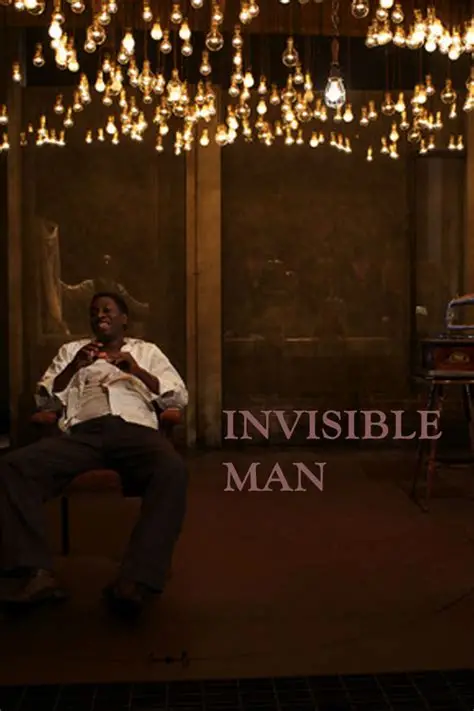
This image is based on the prologue of Ralph Ellison's novel Invisible Man. It shows a man living underground in a basement room lit by 1,369 lightbulbs, referencing the fictional narrator’s surreal, metaphor-heavy living space. What drew me in is the theatricality of the scene. It’s so carefully composed yet feels natural, cinematic, and emotionally charged. Wall's use of light, space, and precise staging creates an uncanny blend of reality and fiction
Jeff Wall is known for staged photography he constructs scenes much like a film director. In this piece, the image is digitally composed and highly choreographed. While it appears documentary at first glance, it’s actually the product of meticulous planning, multiple photographs, and digital layering.
This technique causes the viewer to question the truth of the photograph. Is it real? Is it imagined? That ambiguity is central to postmodern photography blurring fact and fiction.
The large scale and backlit transparency presentation also draw from advertising and cinema, creating an immersive experience. It elevates what could be seen as a small moment into something monumental, demanding attention and interpretation.
Absolutely. Wall’s process staging, digital editing, and referencing literature is essential to the meaning of the image. He’s not just capturing a moment; he’s constructing one. That construction itself becomes a subject: how we interpret images, how memory and fiction blend, and how photography is no longer just about "truth" but about "ideas."
The fact that this is based on a literary work adds another conceptual layer. Wall isn't illustrating Ellison's text literally he's engaging with its themes (identity, invisibility, social marginalization) through a visual reinterpretation.
Digital photography and editing software allowed Wall to construct this image over time. He shot different elements separately and combined them seamlessly. This wouldn’t have been possible in traditional photography without visible signs of collage.
Technology here is a tool for storytelling. It gives Wall control over every aspect of the image lighting, composition, mood. It also challenges traditional ideas of photography as spontaneous or truthful. This aligns with postmodern ideas, where media and reality are constantly constructed.