Assignment Guide
Download the attached assignment file.
Part 1
Wegener's Evidence
For part 1 of this assignment, you will be exploring the major types of evidence that were proposed by Alfred Wegener regarding the Theory of Continental Drift. As you may recall from the course reading, while his theory eventually evolved into The Theory of Plate Tectonics, Wegener laid the foundation for modern thought regarding the movements of tectonic plates.

Source: SpecialEventConsulting. (2016). Continental Drifting [JPG]. Pixabay.
Visit the following link: The Geological Society
OR this link:
https://pubs.usgs.gov/gip/dynamic/historical.html
Five types of evidence for Wegener's theory are displayed. Review each of the evidence types.
Then, in a minimum of two sentences for each type, describe the evidence proposed.
- Jigsaw Fit
- Tectonic Fit
- Fossil Evidence
- Geological Fit
- Glacial Deposits
Then, for each of the scientists listed on the site, describe how their ideas caused the original theory to evolve into what we know today.
- Harry Hammond Hess
- Frederick Vine and Drummond Matthews
- John Tuzo-Wilson
- Dan McKenzie
Part 2
As part of this task, you will be creating a Google drawing of the following types of plate boundaries. Be sure to label each of your diagrams. Please carefully go through the given tutorial if you have never used Google Draw before.
- Convergent Boundary (Subduction)
- Convergent Boundary (Collision)
- Divergent Boundary
- Transform Boundary
Part 3
Interactive Rock Cycle- Go to: Rock Cycle Interactive - Annenberg Learner
- Go through all of the sections by participating in the interactive games and questions and by reading the text.
- Complete the "Test Your Skills" Quiz. Screen capture your results and paste the image into your assignment document.
Part 4
Soil Texture Classification
Soil has sometimes been called "the humble remains of once proud bedrock." It is created from the leftovers that remain behind after a rock is broken down by weathering.
Today, you will observe a method of soil texture classification and complete a few practice problems that reflect what you have viewed.
Geologists generally classify soil based on the grain size of its mineral particles. These fall into three categories:
- Sand: gritty
- Silt: dusty
- Clay: fine and sticky
Complete the following steps:
- Access the video clip below about soil texture.
- Using the chart on your Unit 4 Assignment document, complete the provided exercise questions.
School of Permaculture. (2016, August 26). The Soil Texture Triangle [Video], 4:27 mins. YouTube.
Unit 4 Assignment Part 4 was adapted from the SERC Virtual Soil Classification Activity by Karen Rose Cercone.
Submission Instructions
Once completed, submit the Unit 4 Assignment document to this assignment dropbox in either Word or PDF format.
EVR1001_Assignment4.docx(125.33 KB)
Unit 5 AssignmentInstructionsAssignment Guide
Download the attached assignment file.
Part 1
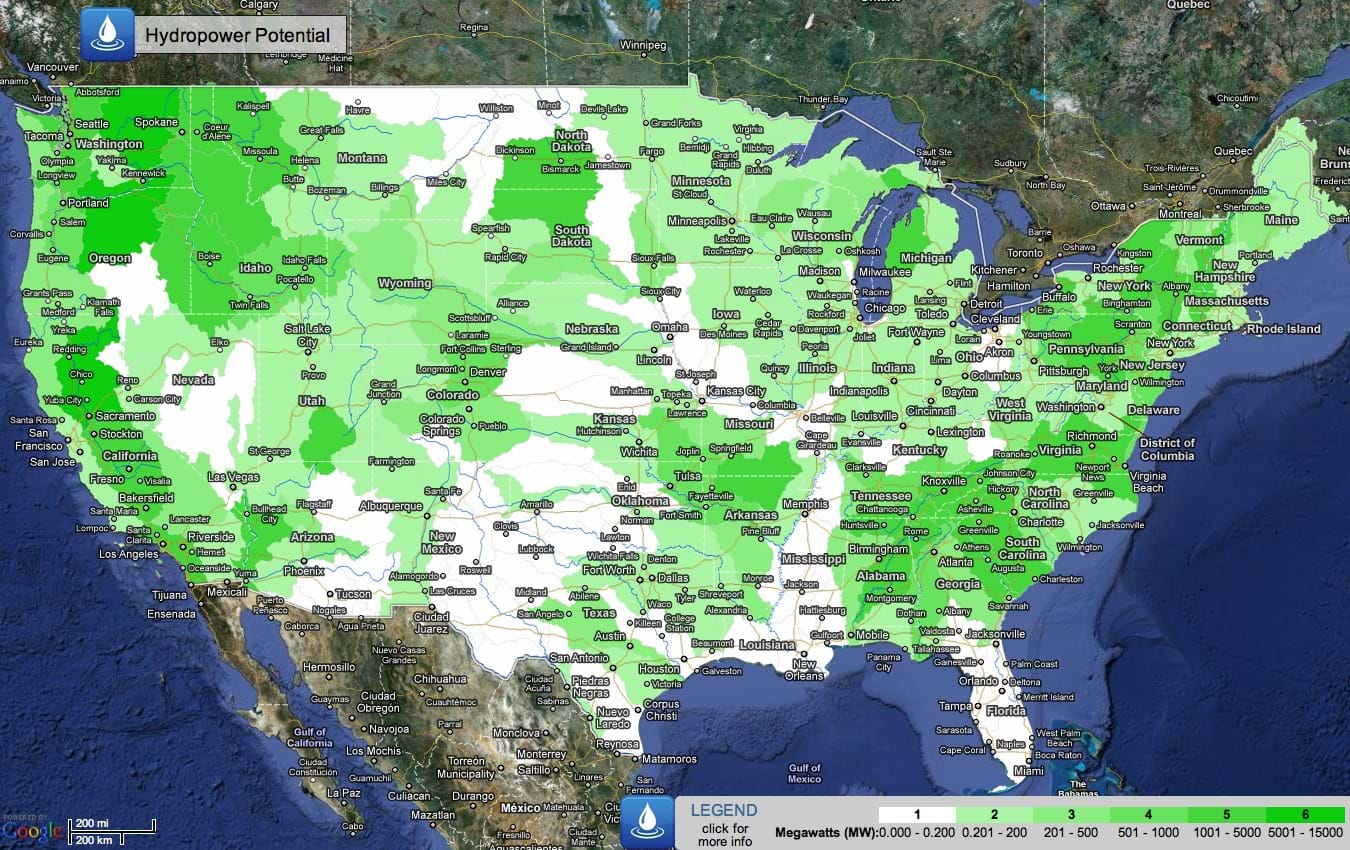
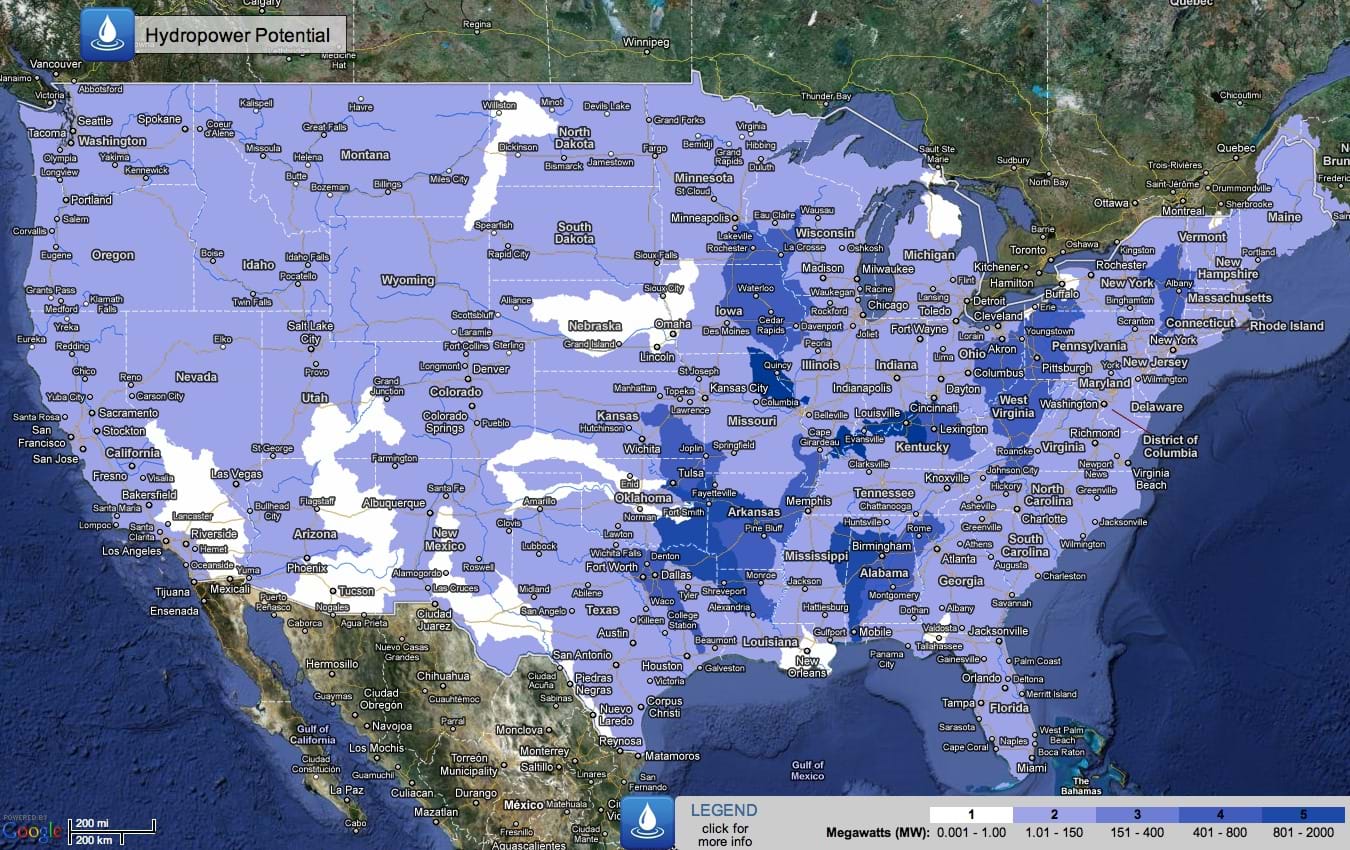
Select one city in the United States that you would move to and then read the following prompt.
You have just moved to a new city in the United States to start a brand new job! Congratulations! Upon moving in, you noticed that the city is highly reliant on Fossil Fuels.
- Write a letter to city officials to discuss the potential for switching to Renewable Energy resources in your new city.
- Given here are the "Potential" maps for many types of renewable energy resources. Using these maps as a guide, discuss which types of renewable energy sources would be appropriate to research in your letter.
- Then, do a quick search online to see what types of renewable energy resources are currently being used/researched in your chosen city. Discuss this in a short discussion below your letter.
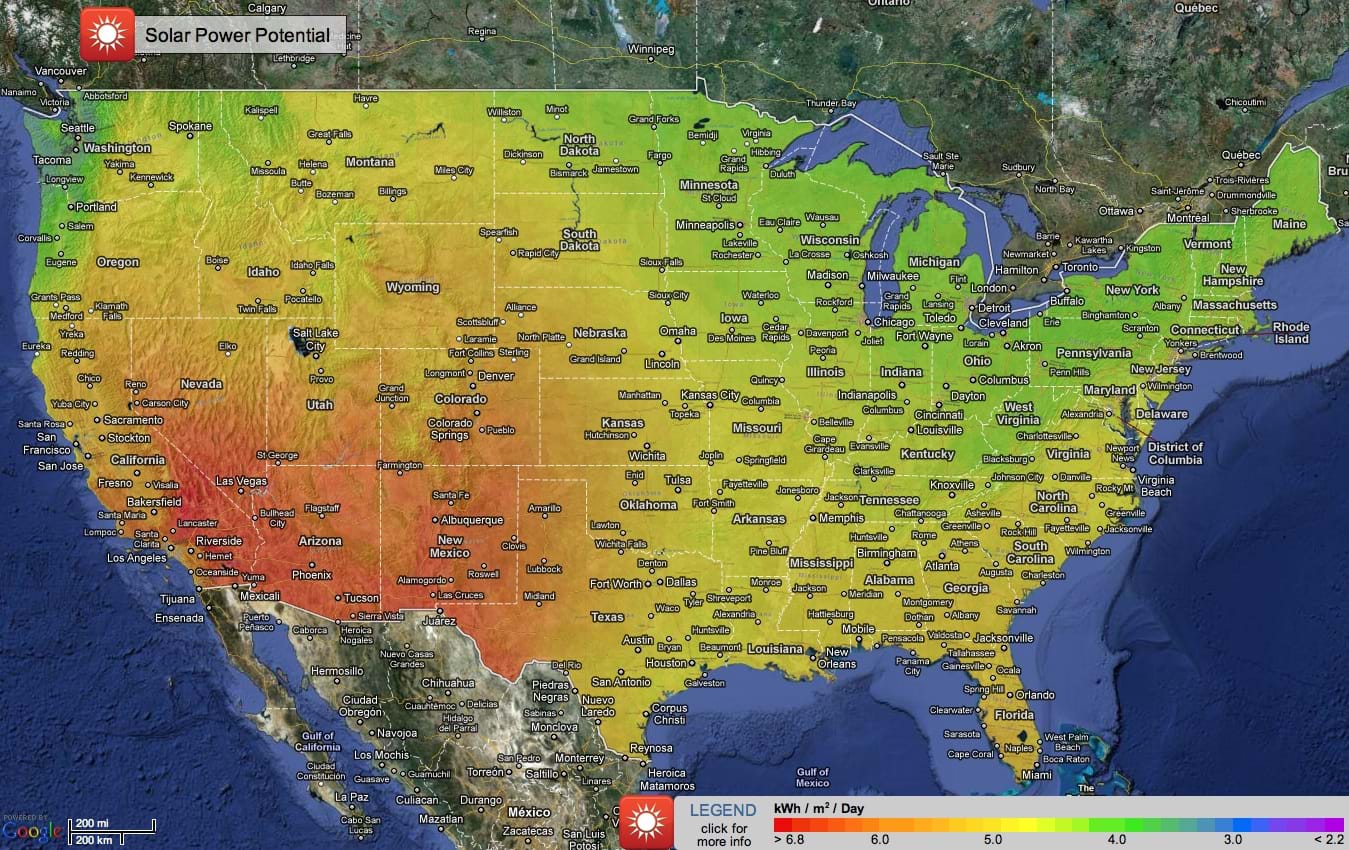
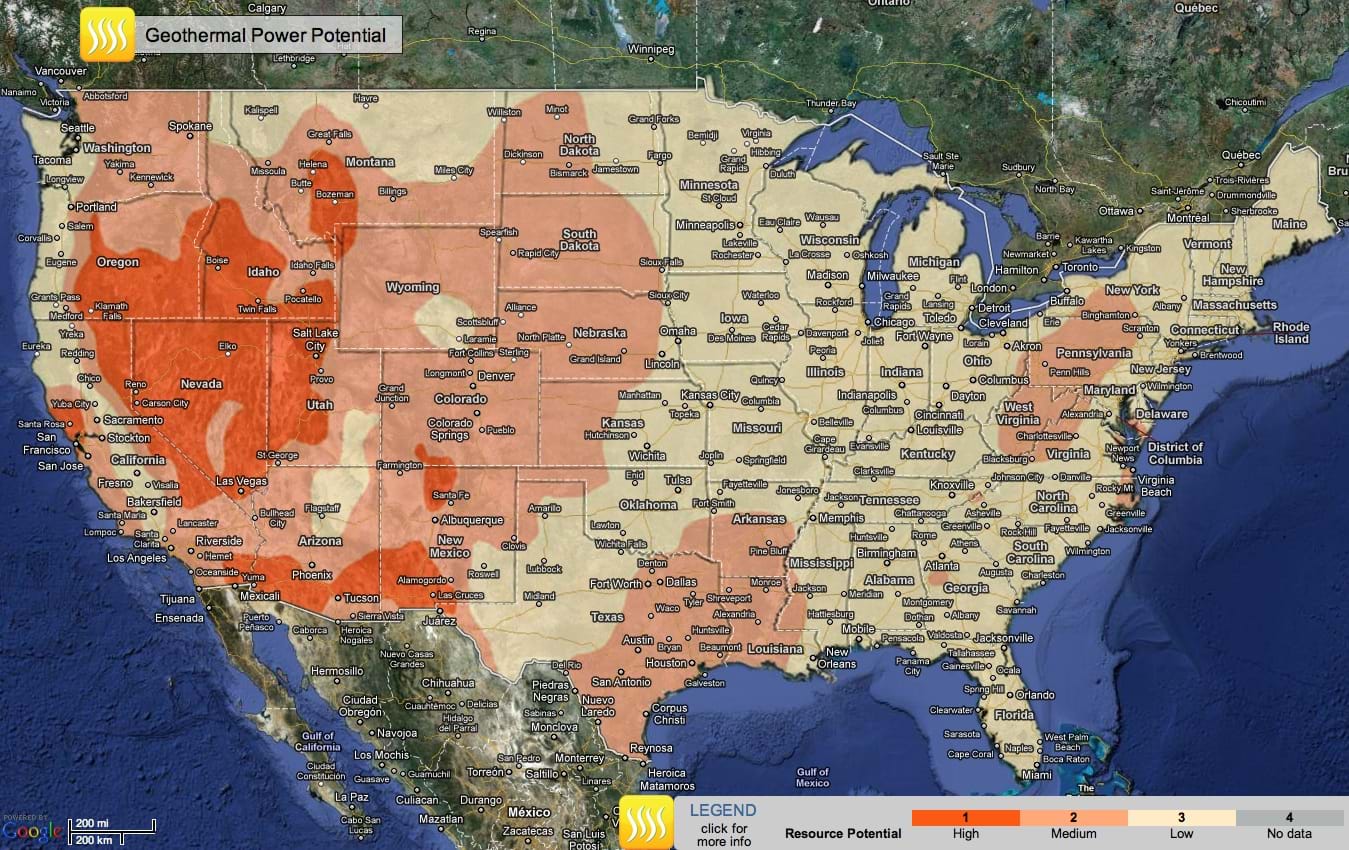
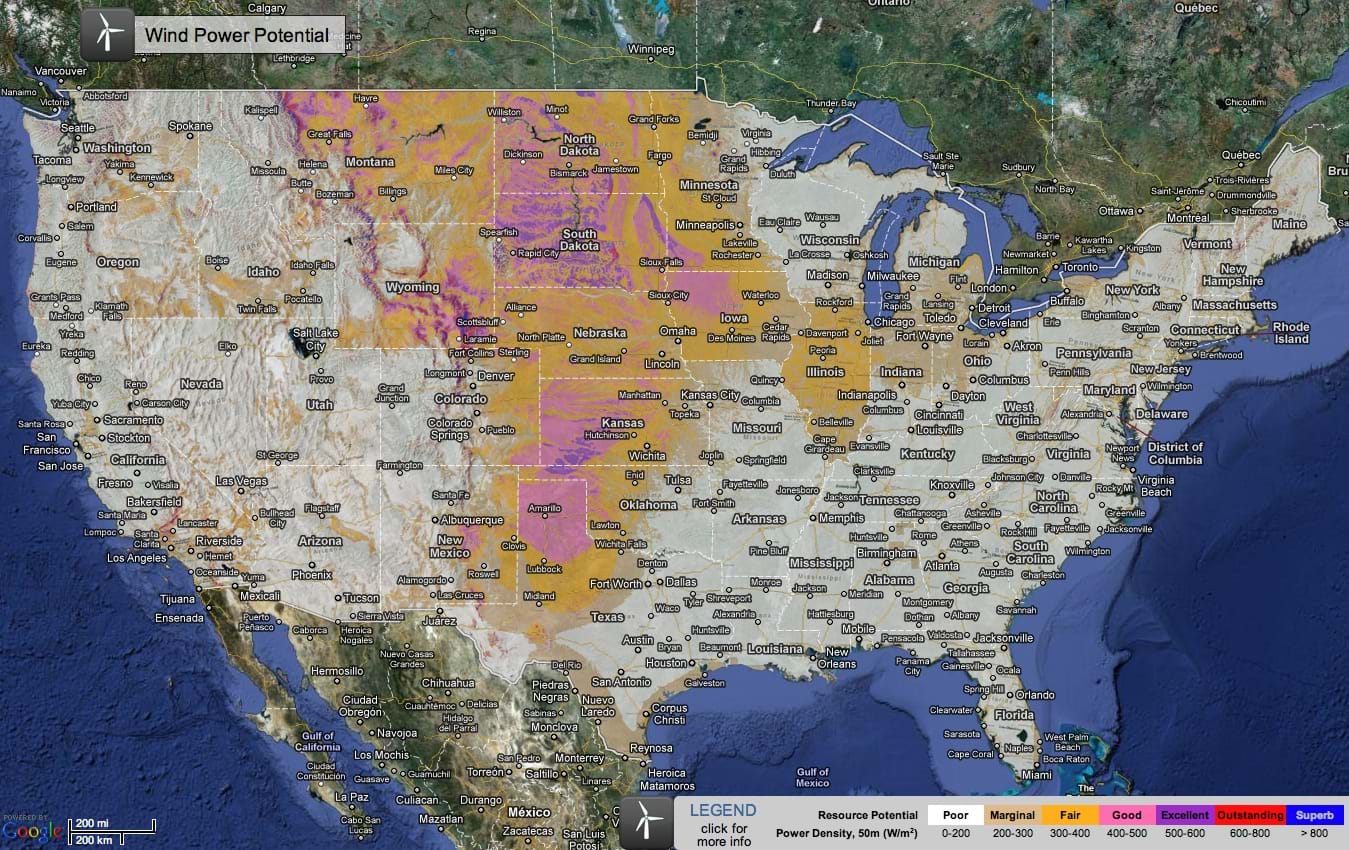
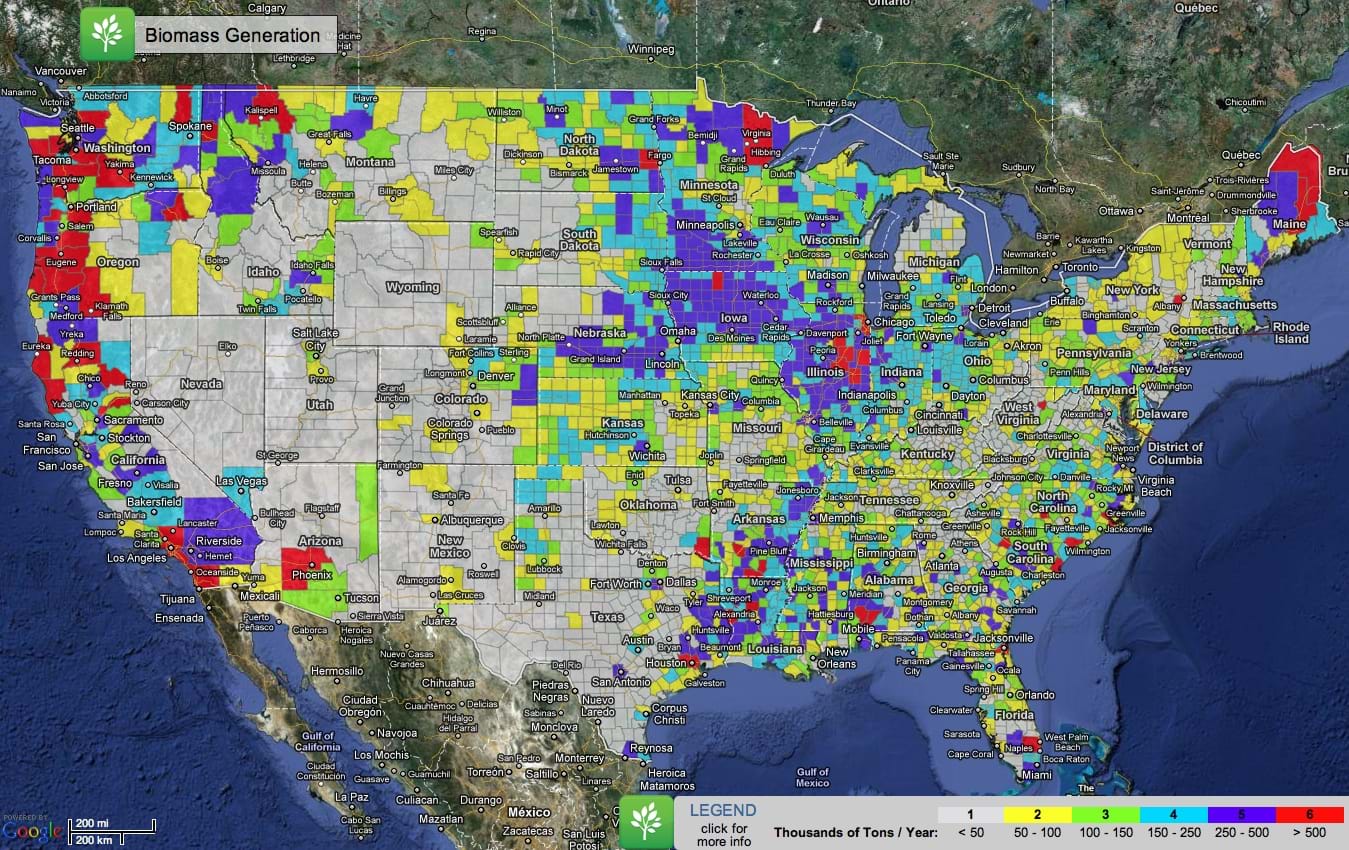
Part 2
Access the Ted-Ed Video below titled, "Can 100% Renewable Energy Power the World?" Then answer the associated response questions in your Unit 5 Assignment file.
TED-Ed. (2017, Dec 7). Can 100% renewable energy power the world? - Federico Rosei and Renzo Rosei [Video]. 5:55 mins. YouTube.
Part 3
The "Tragedy of the Commons" played out for all between 20 April and 15 July 2010. On 20 April 2010 (ironically, Earth Day), the Deep Water Horizon drilling vessel in the Gulf of Mexico suffered a catastrophic blow-out and explosion resulting in the loss of 11 men and ultimately the loss of the $540 million dollar vessel. Loss of control of the oil well permitted oil to flow freely into the Gulf of Mexico for 86 days. It stands today one of the largest oil spills in history. The reports of the National Commission on the BP Deepwater Horizon Oil Spill and Offshore Drilling are freely available here.
Watch the following video:
Top Videos. (2010,May 15). New Underwater footage of BP oil leak [Video]. 0:30 mins. YouTube.
OR
Your task is to estimate the quantity of oil that leaked from the Deep Water Horizon well between 20 April and 15 July 2011. I hope you will be surprised to discover that reasonable estimates from a small quantity of available data are possible and reveal much about this "Tragedy of the Commons."
To do this, you need a few important pieces of information:
- The diameter of the Deep Water Horizon oil pipe is 21 inches.
- The oil stream emanating from the pipe exits at about 21 inches per second.
- 12 x 12 x 12 = 1728 cubic inches = 1 cubic foot.
- To find the cross-section of the pipe, you need to know that the area of a circle is: A = πr^2
Answer the following questions in your Unit 5 Assignment file:
- Calculate the circular cross-section of the Deep Water Horizon pipe: ______________________ (note: your answer is in sq. in.)
- Calculate the volume of oil exiting the pipe every second: ______________ cubic inches/second (hint: this involves multiplying a linear rate of inches per second with the cross section)
- Calculate the volume of oil exiting the pipe every minute: ____________________ cu. in/minute
- Calculate the volume of oil exiting the pipe every hour: _______________________ cu. in/hour
- Calculate the volume of oil exiting the pipe every day: __________________________ cu in/day
- Convert cu in/day to cubic feet per day: ______________________________________ cu ft/day
- Convert cu ft/day to barrels/day (5.61 cu ft/barrel of oil): _________________________ bbl/day (Note: bbl is the abbreviation for ‘barrels’)
- Multiply bbl/day x 86 days: _________________________________= total barrels of oil leaked.
- Calculate the gallons of oil leaked: ___________________________= total gallons of oil leaked.(There are 42 U.S. gallons in a barrel of oil.)
- Review chapter 6 of the linked report in the introduction. Discuss at least three environmental impacts caused by this devastating oil spill
Note: Unit 5 Assignment Part 3 was adapted from How Much Oil Leaked from Deepwater Horizon? by Stephen K. Boss through SERC Education Initiative
Submission Instructions
Once completed, submit the Unit 5 Assignment document to this assignment dropbox in either Word or PDF format.
EVR1001_Assignment5.docx
(16.45 KB)
Unit 6 AssignmentInstructions
Assignment Guide
Search the web to investigate the current population size of humans for the world and 3 countries of your choice. Investigate the current growth rates and patterns for these countries and what if anything is being or has been done to address this population growth.
Some links worth checking out:
- Population by Country (2021) - Worldometer (https://www.worldometers.info/world-population/pop...)
- Population Figures for all Countries 2019-2021 of the World - Nations Online Project (https://www.nationsonline.org/oneworld/population-...)
- 2021 World Population by Country. (https://worldpopulationreview.com/)
Also include discussions on events or policies that may have affected that country's population size/growth rate. Be sure to include at least 4 reputable sources such as the United Nations or your selected country's government websites.
Checklist
Your assignment needs to include:
- Three Countries - Population size, growth rates, and patterns.
- Three Countries - Response to population changes (laws, policies, social changes, etc.)
- World - Current population size.
- Sources - A minimum of 4, written as citations (more than just a simple link!!)
Submission Instructions
Submit your Word document with at least 4 sources cited to this assignment dropbox.
Unit 7 AssignmentInstructionsAssignment Guide
As you have learned in Unit 7, wildfires are a normal part of many ecosystems. However, climate change and human interactions have increased both the intensity and frequency of wildfires.
- Search the internet for at least 3 sources on wildfires and their management.
- In a Word document, describe a minimum of three sources of wildfires, environmental conditions that increase the prevalence of wildfires, and at least two management practices being used to prevent future uncontrolled fires.
- Then, select one example of a major wildfire that has taken place in the last 20 years.
- Discuss the source and remediation efforts made when it occurred.
- Discuss whether you think the wildfire could have been prevented OR whether its impacts could have been reduced through management practices.
Your assignment should be a minimum of a typed page in length. Be sure to include a complete analysis.